Enrichment Modules
This is the heart of what I do.
Each course takes a theme and explores it through a range of texts and forms: poetry, fiction, non-fiction, drama, spoken word. Students read texts chosen for what they have to say, on the curriculum or well beyond it, discuss ideas worth arguing about, and produce work in whatever form feels right to them: a poem, an essay, a speech, a piece of their own making.
The genres serve the theme. One session might be a poem, the next a short story extract, the next a speech or a piece of journalism. What holds it all together is the question we're exploring and the discussion we're having about it.
How It Works
Courses run in small groups of up to six students, online, once a week for six sessions. This is deliberately small so it is the kind of group where every student's voice is heard and ideas can genuinely build on each other.
Each course is available as a half-term block, paid in advance. Students can take one module or work through several across the year.
Groups run for two age ranges, roughly 11–14 and 14–16, though these are guidelines rather than rules. If you're unsure where your child would fit best, just get in touch. Home-educated students join daytime groups during school hours. School-based students join holiday groups. One-to-one versions of each module are also available.
Sessions are 75 minutes. Six-session courses: £150 per student.
The Modules Autumn Term
Hidden Worlds
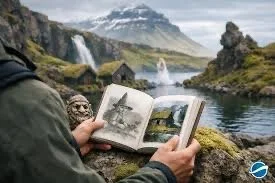
Every landscape has its own stories. Iceland's hidden people live in the rocks. West Africa's Anansi spins his web through every tale. Japan's forests are full of spirits that don't behave like anything in Western mythology. This module travels across the world's folk traditions and ancient myths and then, partway through, each student brings their own discovery: the folklore and stories from their own heritage, or a culture that has always fascinated them. The module ends with something entirely theirs: a myth, a folk tale, a piece of artwork, a piece of non-fiction. Hidden worlds, brought into the light.
Myth, legend, folk tale, poetry, and contemporary retelling.
Ages 11–14 Mondays (timing tbc) · starting 7 September · 6 sessions
Ages 14–16 Tuesdays (timing tbc) · starting 8 September · 6 sessions
The Power of Voice
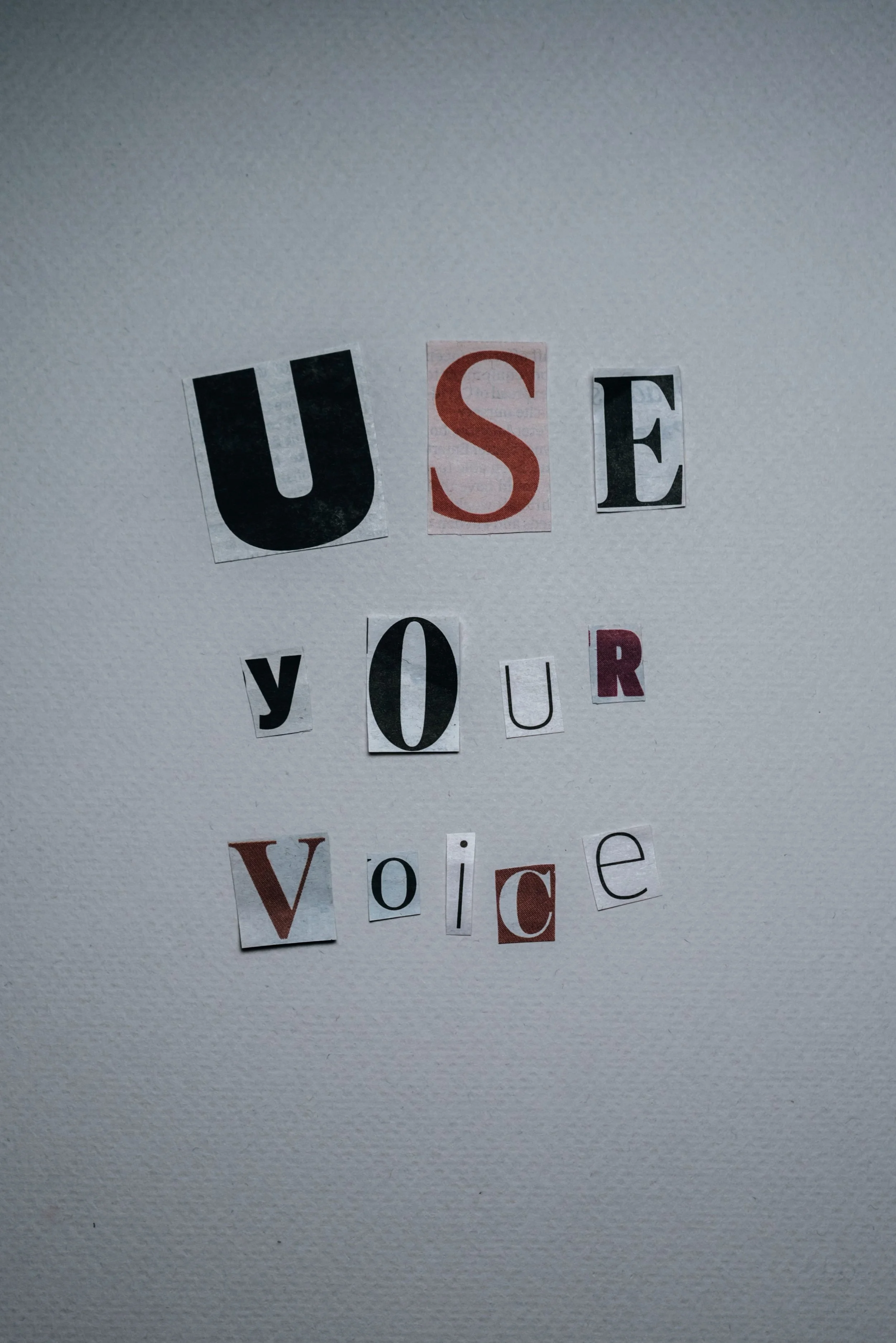
Your voice is one of the most powerful things you have, and it doesn't have to be serious to matter. This module explores what happens when people use language to say something that needs saying: in speeches that changed history, in poems that found words for the unsayable, in satire and comedy that told the truth when nobody else dared. From Amanda Gorman to Jonathan Swift, from suffragette pamphlets to slam poetry, we ask how language moves people and makes the world see differently. Every student finds their own voice on something they genuinely care about, and discovers the form that suits them best.
Poetry, speeches, journalism, spoken word, satire, performance.
Ages 11–14 Wednesdays (timing tbc) · starting 9 September · 6 sessions
Ages 14–16 Thursdays (timing tbc) · starting 10 September · 6 sessions
The Gothic Imagination
Ghost stories have been told around fires for thousands of years. This this module asks why, and how. We travel through the Gothic tradition, reading classic and contemporary ghost stories from different countries and traditions, and explore the craft techniques the best writers use: atmosphere, suggestion, the thing that's never quite shown. This isn't about being frightened. It's about understanding how writers create that feeling, and then crafting your own atmospheric piece in whatever form the story demands.
Short fiction, poetry, gothic prose, ghost stories from around the world.
A note for parents: this module approaches Gothic literature and ghost stories as craft and literary tradition rather than horror. Texts are chosen for their quality and their craft, not for their capacity to frighten. If you have any concerns about suitability for your child, please get in touch before booking.
Dates Monday, Tuesday and Wednesday · 10am–11:30am
Ages 13–16 · mixed group · maximum 8 students
£75 per student
World Building
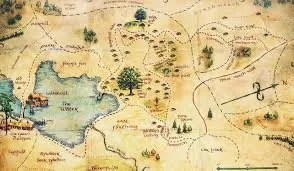
What kind of world do you want to make? This module begins with worlds that writers have built through poetry, fiction, travel writing and myth and ends with one entirely your own. We explore how language conjures whole landscapes, cities and peoples, discover places rarely written about, and ask what makes an imagined world feel completely real. Students create their own and respond to it however they choose: a story set inside it, a map, a poem, a traveller's account.
Poetry, fiction, travel writing, myth, creative response.
Ages 11–14 Mondays (timing tbc) · starting 3 November · 6 sessions
Ages 14–16 Tuesdays (timing tbc) · starting 4 November · 6 sessions
Visions of the Future
What if the future has already been imagined, and we just haven't recognised it yet? This module traces speculative and science fiction from its earliest voices to the present day: writers who looked at the world around them and followed it somewhere strange. We move from the origins of the genre through Philip K. Dick's questions about consciousness and identity, to contemporary fiction exploring artificial intelligence and what it means to be human. Every student creates their own speculative piece: a story, a vision, a warning, or perhaps a hope.
Short fiction, novels, speculative writing, non-fiction.
Ages 11–14 Wednesdays (timing tbc) · starting 5 November · 6 sessions
Ages 14–16 Thursdays (timing tbc) · starting 6 November · 6 sessions
A Taste of 2027
Awe and Wonder
Some of the best writing exists to reach for what almost can't be put into words: the vast, the strange, the quietly extraordinary. This module is about learning to see that way, and write that way. We move through nature writing, poetry and contemporary writers who find wonder in unexpected places and students discover that the most powerful writing often comes from paying close attention to something most people walk straight past.
Poetry, nature writing, essay, memoir.
Whose Story Is It?
Every story you know has another version. A character who was never given a voice, a perspective that changes everything, a narrative that looks completely different from the other side. This module asks whose stories get told, and whose get left out, and then invites students to do something about it. We read texts that reclaim, retell and reimagine: mythology from the margins, history from the inside, familiar narratives turned upside down. Students finish by taking a story that belongs to someone else and making it entirely their own.
Poetry, myth, contemporary fiction, short story, creative response